
Capitol Hill looks at easier loan access, modular units and pressure on cities
The House and Senate recently passed their first significant bills in decades aimed at solving America's housing shortage. Now, the two chambers will work on fine-tuning and reconciling both bills into one proposal and sending it to President Trump's desk. Here are the bills' top priorities:
Nudge cities to build
State and local regulations typically have more sway over how many homes get built. The Senate bill authorizes a program in which certain cities behind in housing production could have some of their federal funding transferred to cities that are building more.
Both the Senate and House bills direct the federal government to establish best zoning practices for state and local leaders, though city officials can ignore them if they want.
Environment reviews
Both the House and the Senate are aiming to simplify the federal government's environmental review process. And they offer new exemptions for some housing projects like ones built in urban areas that are already devel--oped. California and New York, both states with acute housing crises, have already pursued their own reforms.
Only a small portion of housing developments are actually subject to federal environmental reviews. What matters more, economists say, is the signal it sends to cities and towns.
"This is a blueprint for states and localities to also reduce red tape," said Libby Cantrill, head of public policy at Pimco.
Manufactured homes
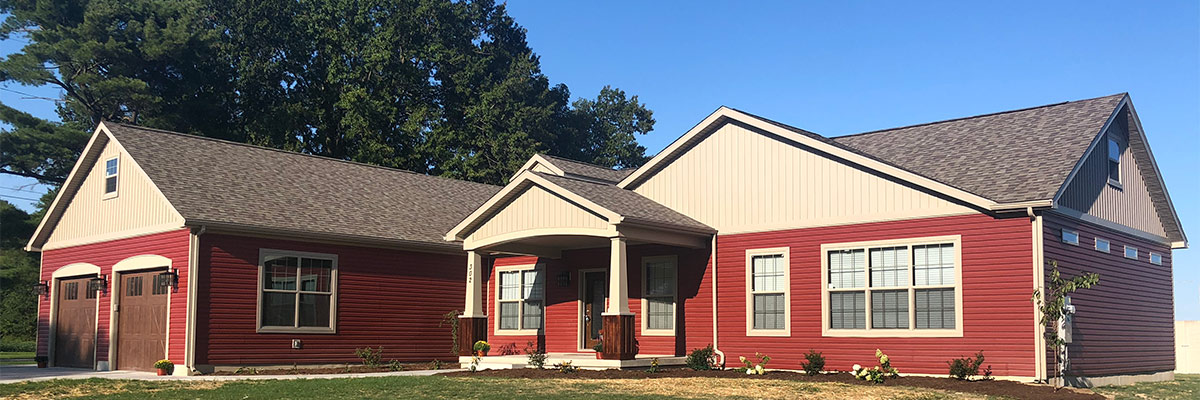
Builders say manufactured and modular homes are quicker and cheaper to produce. Think building with Lego blocks, but instead of toys, it's full-size homes. Still, wider adoption has been limited in part by outdated building code requirements and fewer financing options.
The House and Senate bills both try to make it easier to build manufactured housing. They eliminate the "permanent chassis requirement," which builders have been groaning about for years. A chassis is a structure under factory-built homes that allows them to move from place to place, and it can cost thousands of dollars to add.
Builders say that the extra cost is no longer worth it because these days, manufactured homes often stay put. The Senate bill also increases loan limits for manufactured homes to make them easier to finance.
Mortgage access
Both housing packages include efforts to help Americans secure mortgages.
The bills direct federal agencies to expand access to small-dollar mortgages—home loans that are generally less than $150,000. They tend to be less profitable for lenders, but they can help first-time and low-income home buyers get into the market.
They also would create a pilot program for select lowincome families who receive federal rental assistance through public housing authorities to feed a portion of their rent payments into a savings account when their income increases.
To some analysts, mortgage access is where the federal government can have a real impact on housing affordability, because it controls the government-backed mortgage companies.


